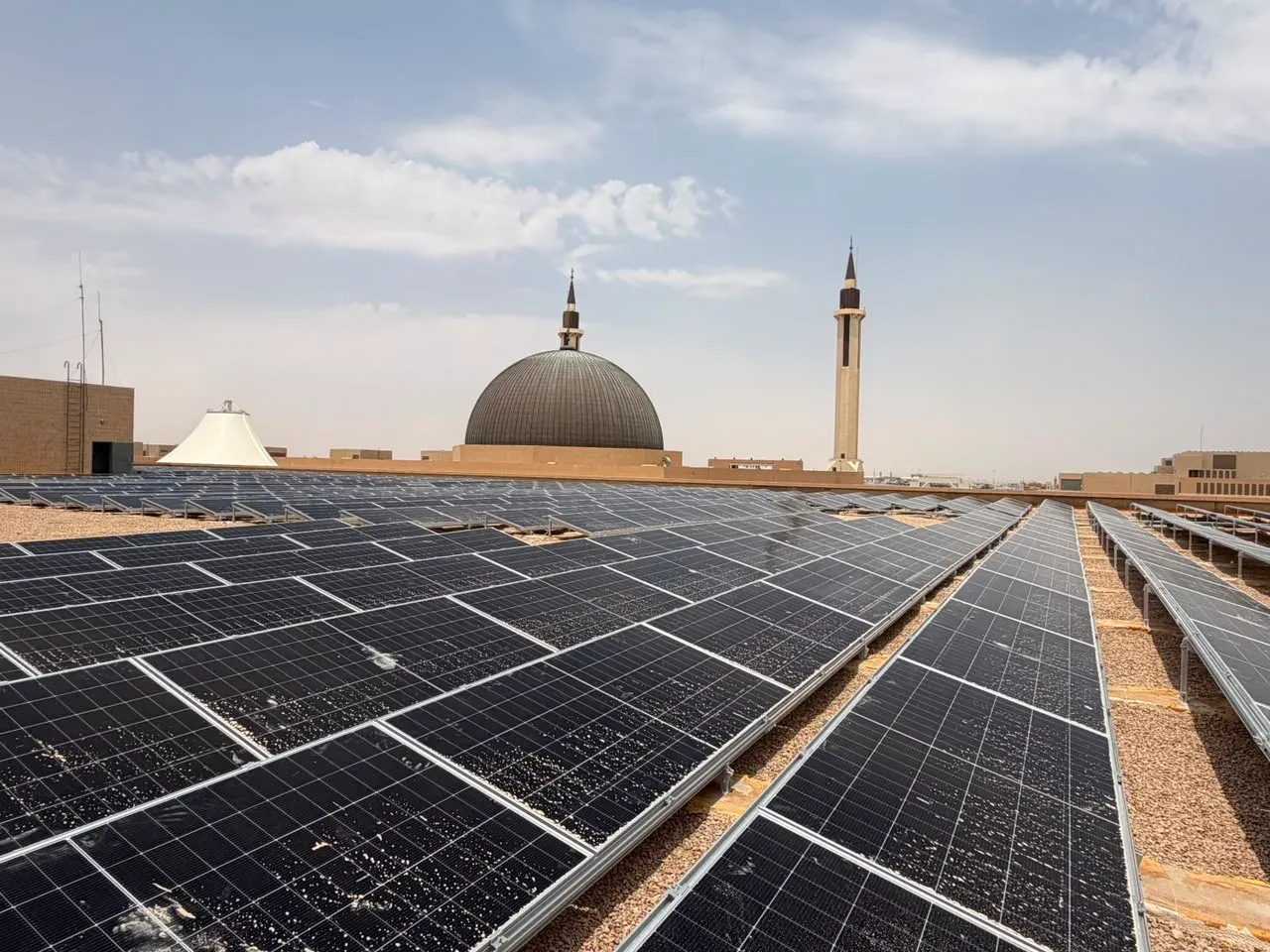
Rooftop Solar Program Across University Facilities | 19 MW from Planning to Operation
- Location
- Riyadh
- Period
- 2026
- Status
- Completed
- Role
- Leading planning, technical coordination, commissioning, and operational readiness
Overview
Led the rooftop solar program across the facilities of one of the largest university campuses in the Kingdom, with a total capacity of 19 MW, from planning and technical coordination through execution, commissioning, and operational readiness.
Educational-facility loads peak during daytime hours, the same hours when solar generation reaches its highest levels. This alignment between the generation curve and the load curve is what makes rooftop solar an engineering and economic choice specifically in this type of facility. At the scale of a campus this size, the impact shifts from a localized improvement to a difference across the entire facility.
Rooftop solar in an educational facility is not an installation project. It is a program that reorders the facility’s relationship with the grid, and it must be managed on that basis.
The decision before execution
The difference between a feasible program and a stalled one is settled at the planning stage: which rooftops are used, which loads are served, and how the systems are distributed across facilities. A wrong decision here cannot be fixed by excellent execution later.
What is actually difficult
The hardest part is not the engineering of the system, but managing three parallel cycles: execution, continued operation in occupied buildings, and the interconnection requirements of the regulatory authorities. Any breakdown in coordination between them shows up immediately as delay or rework.
Responsibility
My role
- Leading the engineering planning of the program and setting execution priorities.
- Making and reviewing engineering decisions related to design and interconnection.
- Managing stakeholders and unifying the technical reference across parties.
- Supervising commissioning and testing work and verifying results.
- Ensuring operational readiness and integrating the system into existing operations.
- Analyzing post-commissioning performance and addressing deviations.
Execution
Project phases
01
Planning and engineering decision
Selecting target facilities according to rooftop capacity and loads, and reviewing engineering options and interconnection requirements before committing to any execution scope.
Role: Leading planning and making the governing engineering decisions.
Outcome: An approved technical scope and execution priorities based on feasibility rather than ease.
02
Execution and technical coordination
Engineering supervision of installation and electrical interconnection work, and managing the interference between execution and continued operation in occupied facilities.
Role: Field supervision, technical-reference control, and conflict resolution.
Outcome: Execution compliant with specifications without disruptive service interruption.
03
Commissioning and operational readiness
Pre-commissioning tests and verification of protection and power quality, followed by commissioning, generation monitoring, and integration of the system into the operation and maintenance cycle.
Role: Verifying test results and ensuring operational readiness.
Outcome: An operating system integrated into operations with continuous performance monitoring.
Handling
Challenges & actions
Each challenge is linked directly to the action taken and its operational impact.
Challenge
Execution in occupied facilities that cannot tolerate service interruption.
Action
Rescheduling interconnection work outside critical operating windows in coordination with operations parties.
Impact
Service continuity without disruptive interruption throughout the execution period.
Challenge
Multiple technical references across parties in interconnection requirements.
Action
Unifying the reference through documented engineering decisions preceding the resumption of work.
Impact
Closing technical observations without rework.
Challenge
Varying readiness of the electrical infrastructure across facilities.
Action
Scoping the preparatory work for each facility and incorporating it into the execution sequence in advance.
Impact
Preventing work stoppages caused by unaccounted-for readiness gaps.
Impact
Results
- Installed capacity
- 19
- Unit of measure
- MW
Summary
Lessons learned
01
The early engineering decision on facility selection determines the program's feasibility more than execution quality does later.
02
Unifying the technical reference in writing before work begins is far cheaper than resolving conflicts after they occur.
03
Operational readiness is not a closing phase; it is designed from the start of the program.
On-site
Photo gallery
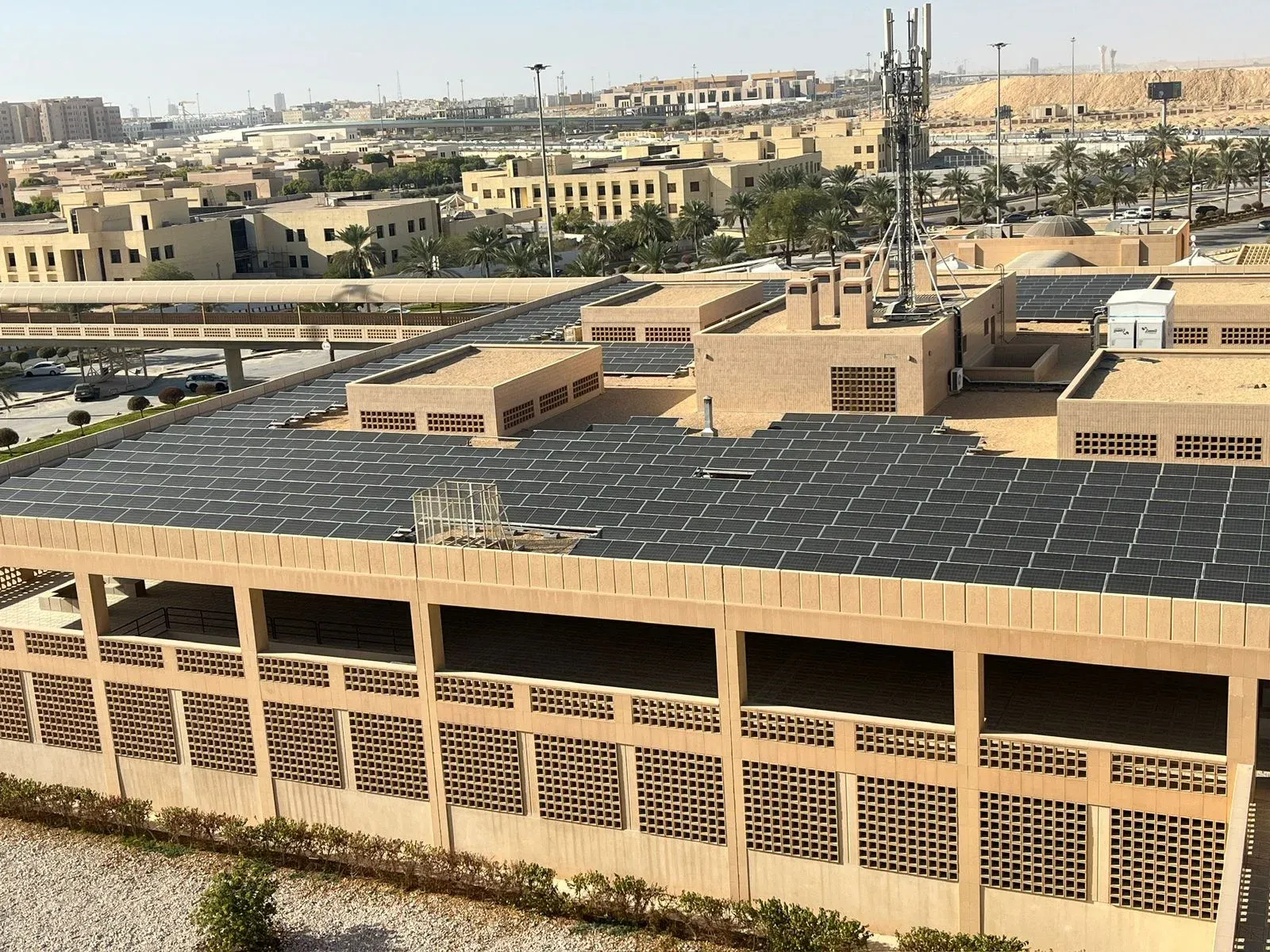
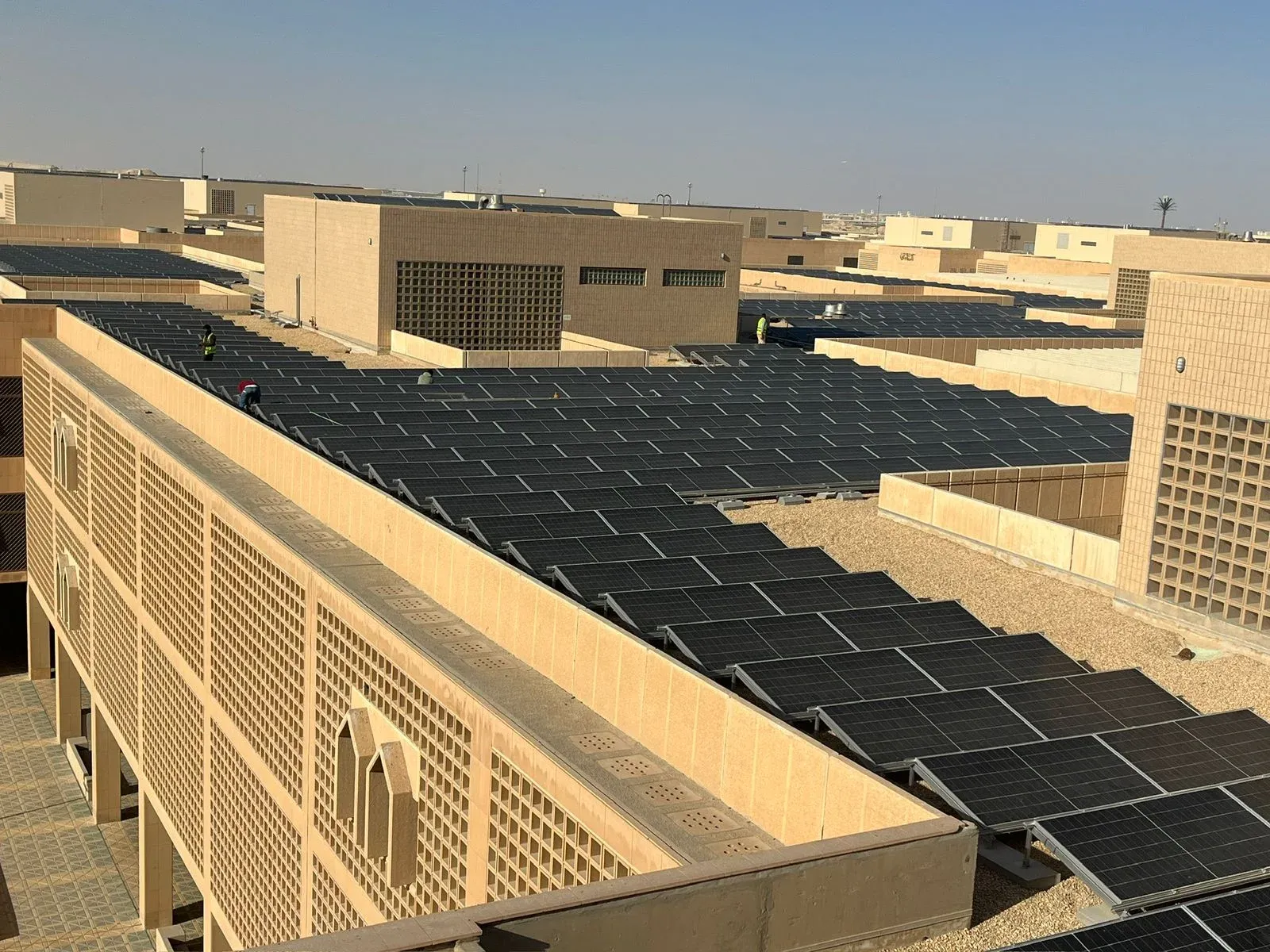
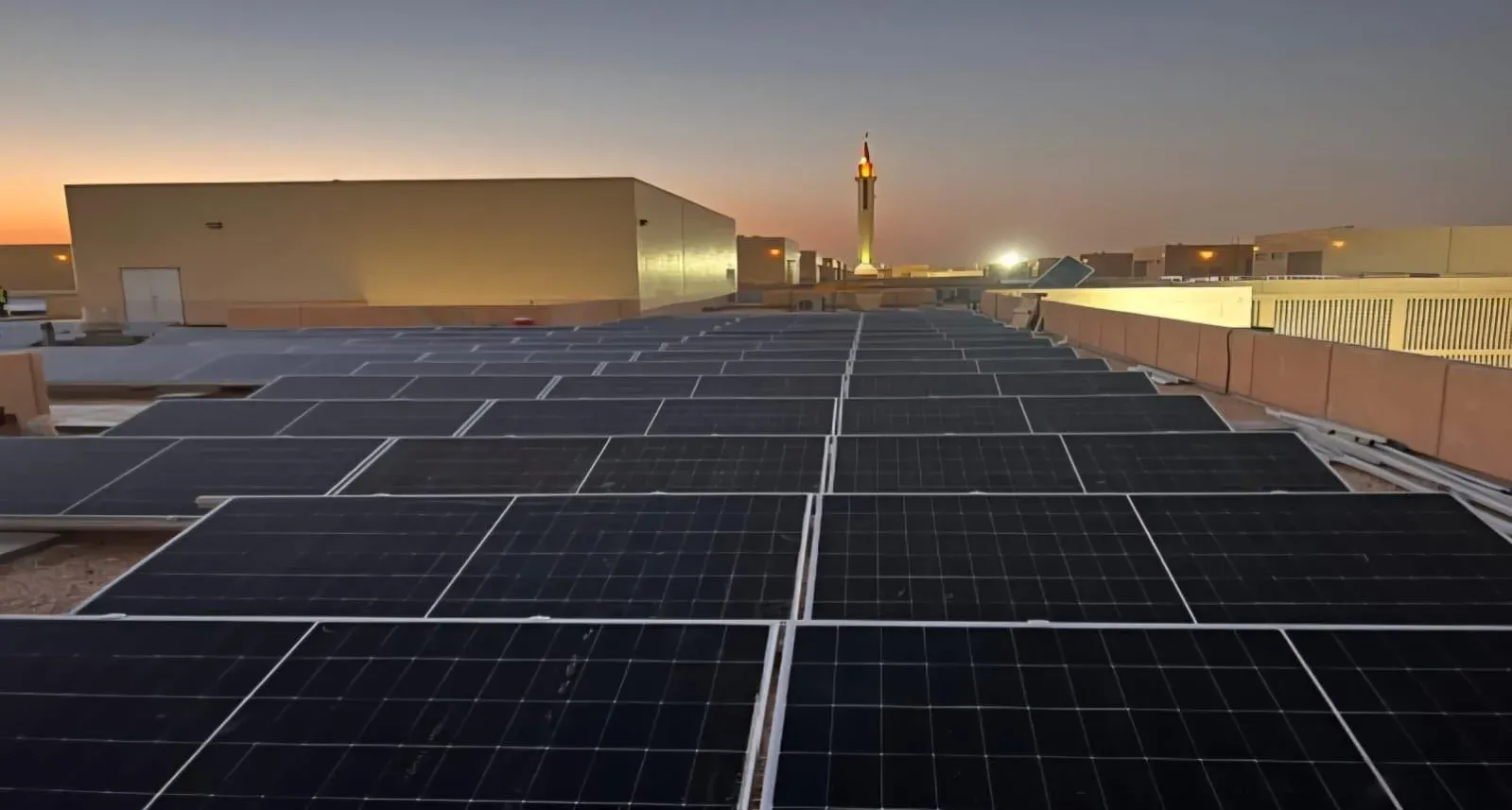
Panel rows distributed across the rooftop with tilt and spacing that prevent mutual shading. Electrical inverters inside the conversion room with cable routing.